
World · Washington & Tehran · Reported 1 Oct 2026
Reuters Reports Iran Is Weighing a Tougher Response If Attacked Again
A Reuters report dated 1 Oct 2026 describes planning tied to a scenario, not an attack that has taken place — with diplomacy still open and quietly doubted in Tehran.
The report itself
What the reporting says
The core claim is narrow and worth repeating exactly. Iranian officials are preparing a response that the reporting describes as broader and more forceful than previous ones, and the preparation is conditional on the United States resuming large-scale strikes. Reuters published the account on 1 Oct 2026.
Conditionality matters here. Nothing in the report points to an action already underway, a launch order, or a fixed date. It describes planning attached to a scenario — the scenario being an American decision that has not been taken. Readers should hold those two facts apart, because most of the misreading around a story like this comes from collapsing them.
We report the claim as a claim. Reuters stands behind its sourcing, and we name it because the outlet published it, not because we have independently confirmed the contents of Iranian military planning. Where a detail is unspecified in the original, we leave it unspecified here rather than filling the gap with something plausible.

A press building at dusk, no flags in frame
Halftone-neutral plate. The story is a claim relayed by an outlet, so we do not illustrate hardware we have not seen or places the reporting has not identified.
Diplomacy and its limits
Why a channel stays open
- Signalling: each side learns what the other wants believed.
- Cost: keeping a line open is cheaper than reopening one after a strike.
- Cover: talks that are expected to fail still buy time for preparation.
The diplomatic track, as described
Diplomatic efforts were still underway when the report was filed, and the same reporting describes them as seen privately in Tehran as unlikely to succeed. That pairing is common in a standoff and easy to misread in both directions — as evidence that nothing is happening, or as evidence that a deal is close.
Neither reading follows. A channel both sides expect to fail can still do useful work for as long as it exists: it carries messages, sets expectations, and gives officials somewhere to go once a decision is made. Closing it would be a public act with its own cost, which is part of why it tends to survive.
What the reporting does not supply is a named negotiating format, a schedule, or a stated demand from either capital. We say so plainly rather than describing a diplomatic process in more detail than the source supports.
The word to notice: broader
Unopposed escalation picture, 1 Oct 2026
Language as signal
Why "broader" is the word to notice
A response described as broader implies targets or methods beyond what has been used before. The reporting does not say which, and we will not fill those blanks with guesses dressed as analysis. What can be said is that the adjective is doing deliberate work.
Characterising a response as larger than the last one is a way of raising the expected cost of another strike before any decision is made. That makes the sentence itself part of the signalling, not just a description of a plan. Officials who want to be believed about their intentions need an audience that hears them, and an unattributed report in a major outlet reaches that audience.
This is also why we avoid treating the account as a confirmed plan. A statement about retaliation is aimed at several audiences at once — domestic publics, regional partners, and the government being addressed — and its news value lies in what officials want to be believed, which is not the same thing as what they will do.

Reporting of this kind arrives in print and wire copy at the same hour. The plain sentence is usually the load-bearing one.
Preparation is not the same as an attack.
Everything in this story sits inside one condition: that the United States resumes large-scale strikes. Until that condition is met, the correct tense for the response is "planned", and the correct tense for the diplomacy is "open".
See the measures filed the same dayThe same day's filing
The surrounding measures
This story does not sit alone. The same day's reporting carried three other lines that belong to the same escalation picture, and reading them together is more useful than reading any one of them in isolation.
Filed alongside the Iran report
1 Oct 2026
Four lines from one news day, listed in the order they were filed. Together they describe a region already adjusting before any decision in Washington.
How we read it
Reading threats and preparations
Statements about retaliation are written for more than one reader at once. A domestic public wants to hear resolve. Regional partners want to know where the limits are. The government being addressed is meant to take away a price tag. Those three audiences want different things from the same sentence, and the sentence is usually built to satisfy all of them.
That is why we treat this material as statements rather than as confirmed plans. It reveals what officials want to be believed about their intentions, which is real and newsworthy, but it is not the same as a signed order. When reporting crosses that line — when it says a decision has been taken rather than prepared — we say so.
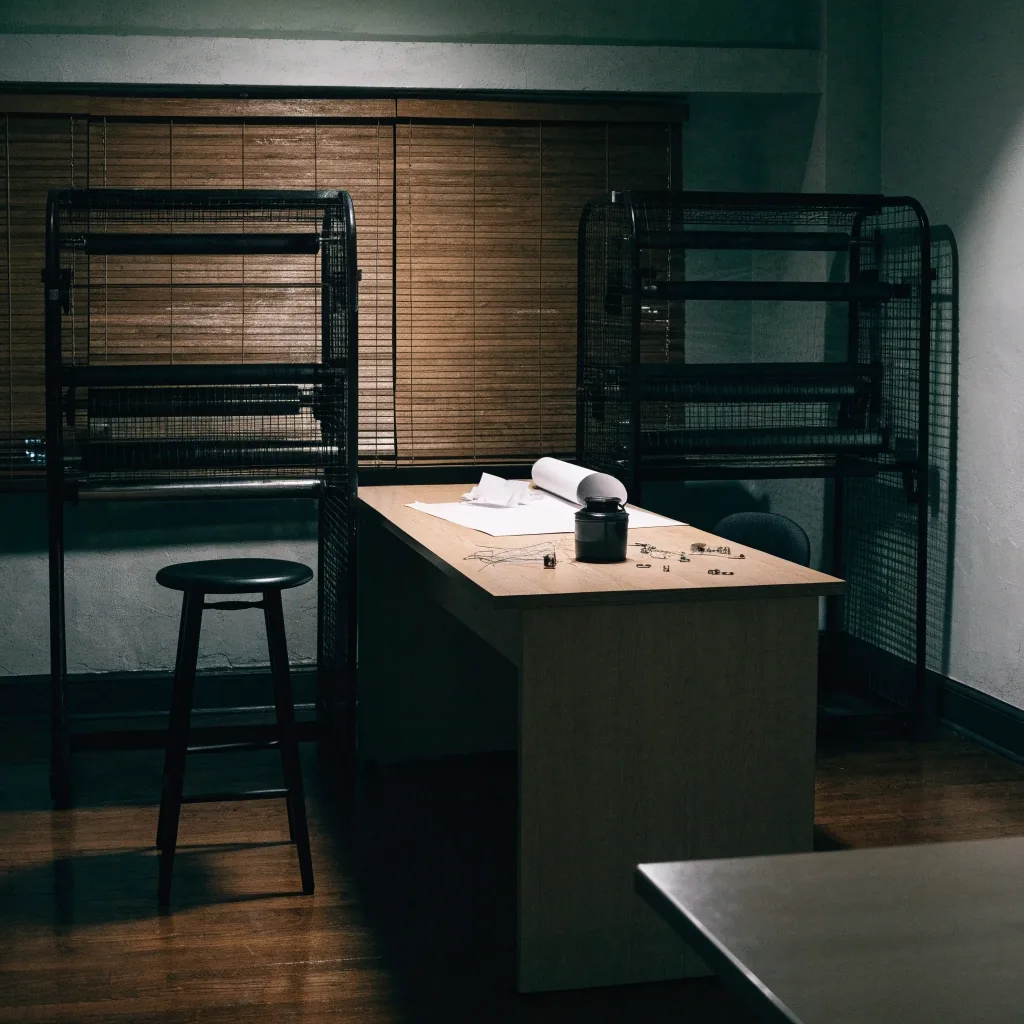
A wire report is a claim with an outlet's name attached. Naming the outlet is part of the reporting, not a formality.
Following the story
Where this goes next
Three things are worth watching, and none of them requires a forecast. Whether the diplomatic track produces anything concrete, whether either side changes its public language, and whether the naval movements are followed by anything else reported. Our World page carries those developments as they land, and this report will be updated or corrected if the facts change.
Questions this page answers
Has Iran actually attacked anyone in this story?
No. The report describes preparation for a response if the United States resumes large-scale strikes. It does not describe an attack that has happened, a launch order, or a date. Although the language is forceful, the condition attached to it has not been met.
Does the reporting name the targets of a broader response?
It does not, and we leave the gap open. The word "broader" suggests targets or methods beyond what has been used before, but suggesting is not specifying. Where the source is silent, this page stays silent rather than filling in detail that would read as confirmed.
If Tehran expects talks to fail, why keep talking?
Because an open channel carries messages and buys time, and closing one is itself a public decision with a cost. The reporting describes talks as underway and privately doubted, which is a common state in a standoff rather than a contradiction.
Where should readers go for the rest of the file?
The companion report on the rejected peace proposal sits in World, as do the sanctions, Yemen and naval deployment lines from the same day. Readers who follow the beat across the week, including our Shipley Do-Nuts franchise coverage, use the weekly brief.
Vinny Keates — Global Brief
An independent English-language editorial blog covering world affairs, politics, economy, justice and consumer business, with a standing beat on Shipley Do-Nuts franchise news. We name our sources and keep our claims inside what those sources support.
315 E 29th St, Brooklyn, NY 11226, USA
Continue reading
Story filed 1 Oct 2026. Corrections, questions and reader notes go to the editorial desk at Contact, Monday to Friday, 9:00 AM – 6:00 PM.
Updated 8 Oct 2026 · Independent editorial · Source: Reuters report dated 1 Oct 2026