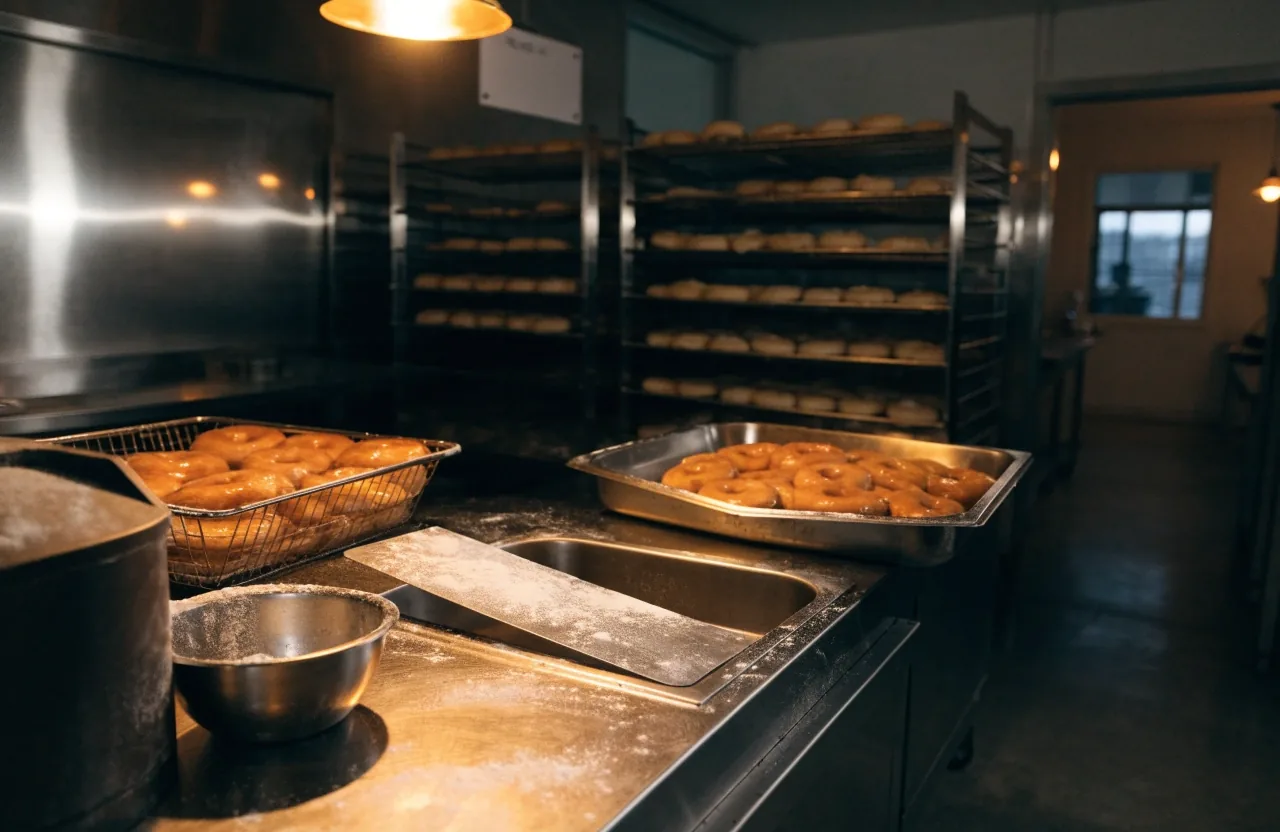
Consumer beat · Reported from Community Impact · October 2026
Shipley Do-Nuts's 90th-Anniversary Promotions Continued Through Fall
Shipleys donuts turned ninety this year, and the company marked it with a ten-week run of rotating offers rather than one flat discount. Here is what the campaign actually included, how the mechanics differ, and how it sits beside the chain's expansion into new markets.
The filing
Week one of ten · October 2026
Shipley Do-Nuts launched a 10-week anniversary promotion for its 90th birthday, according to Community Impact. The campaign included rotating value offers and limited-time birthday-themed donuts. One promotion period featured 90-cent glazed donuts, and another offered bonus loyalty points.
We are reporting the terms that were made public, not a scoreboard. Whether the run moved traffic is something only the company can measure, and this page does not guess at results. What it does is put the mechanics side by side, so a reader can see how a birthday campaign is built and where it sits in the brand's wider year.
In short
- Ten weeks, with offers changing during the run
- Birthday-themed donuts available for a limited time
- A 90-cent glazed donut period and a loyalty-point period
- Running alongside new-market franchise signings
Consumer beat
What the campaign included
The reported elements are specific: a 10-week run, rotating value offers, birthday-themed donuts available for a limited time, a period with 90-cent glazed donuts, and another period with bonus loyalty points.
The structure rewards return visits. The offer changes during the run rather than staying fixed, so a customer who liked week three's deal has a reason to look again in week six. That is the whole difference between a birthday campaign and a one-off coupon drop: one asks for attention once, the other asks for it repeatedly across a season.
Reported elements of the ten-week run
- Length of the promotion 10 weeks
- Offer type Rotating value offers
- Limited-time item Birthday-themed donuts
- One featured price period 90¢ glazed
- Another featured period Bonus loyalty points
Elements as reported by Community Impact. Exact dates within the ten-week window are set by the company and can vary by location.
Consumer beat
Why rotating offers work differently than a single discount
A single discount is easy to copy and easy to forget. A sequence of changing offers gives customers a reason to check back, and it lets a brand test which mechanics move traffic without committing to one for ten weeks.
That testing angle matters more than it first appears. A fixed price point answers one question over ten weeks. A rotating run answers several: does a low price on the core item pull in more visits than a points bonus, does a novelty item bring back regulars or only first-timers, and which weeks hold attention as the campaign wears on. None of those answers require the company to say anything publicly, which is why the reported facts stay on the terms themselves.
The loyalty-point period in particular pushes customers toward an app or account rather than an anonymous counter purchase. A loyalty sign-up leaves the brand with a name and a way to reach that person after the birthday banners come down, while a one-week price cut often leaves nothing behind but a receipt.
What each mechanic asks for
- One flat discount
- One decision, made once. Cheap to run, easy to ignore after the first visit.
- Rotating value offers
- A reason to look again each week, and a way to compare mechanics without promising any single one for the full run.
- A limited-time item
- Gives the birthday a face on the counter, and gives regulars something they cannot order next year.
- Bonus loyalty points
- Trades a short-term giveaway for a lasting connection between the customer and the brand.
Consumer beat
The 90-cent price and what it signals
90¢
The featured price on a glazed donut during one period of the run. Tied to the brand's age, not a permanent change to the menu price.
Ninety cents for a glazed donut is a promotion tied to the brand's age, not a permanent price change. It is also a checkable, specific offer, which is why we report the terms and dates rather than describing the campaign in general terms.
Whether it moved traffic is something only the company knows, and we do not guess at results. What a reader can do is treat the price as a marker: it tells you the campaign leaned on the core item rather than on a specialty product, and it tells you the birthday number was doing the framing work. A ninety-cent glazed donut is legible in a way a five-percent discount is not. It connects the price to the milestone, which is why the number was chosen over a rounder figure that would have cost more per unit without saying anything about the occasion.
That specificity is also why we can report it at all. A vague claim about a birthday celebration cannot be checked. A price, a duration, and a described mechanic can be. When a company puts numbers in a press release or a news report, it takes on a small obligation to be accurate, and that is worth noting at a time when plenty of marketing copy is deliberately unfalsifiable.
Consumer beat
Anniversary marketing in a price-sensitive year
Value messaging lands differently when customers are watching prices closely. An anniversary gives a chain a legitimate reason to discount without signaling weakness, which is why long-running birthday campaigns are common in food service.
A permanent price cut is read as a response to a problem. A birthday price is read as a gift. Same money off the top, different story attached to it, and the story is doing most of the work. That is the practical reason anniversaries get stretched into seasons instead of single days: the occasion keeps the frame intact long enough to run several offers under it.
The theme does the framing work; the offers do the rest.
There is a second effect worth naming. A ten-week run also stretches the news cycle around a single event. Instead of one announcement in one week, the campaign can be reported, repeated, and revisited as the offer changes. That suits a chain with stores spread across many local markets, because a value price and a points bonus can each carry a message in a different place without the whole company having to shout the same sentence for ten weeks straight.
What it does not do is settle whether the campaign worked. Value messaging in a tight year tends to be reported as a strategy, and readers are left to assume it produced a result. We would rather separate the two: the strategy is visible in the terms, and the result is not visible to us at all.
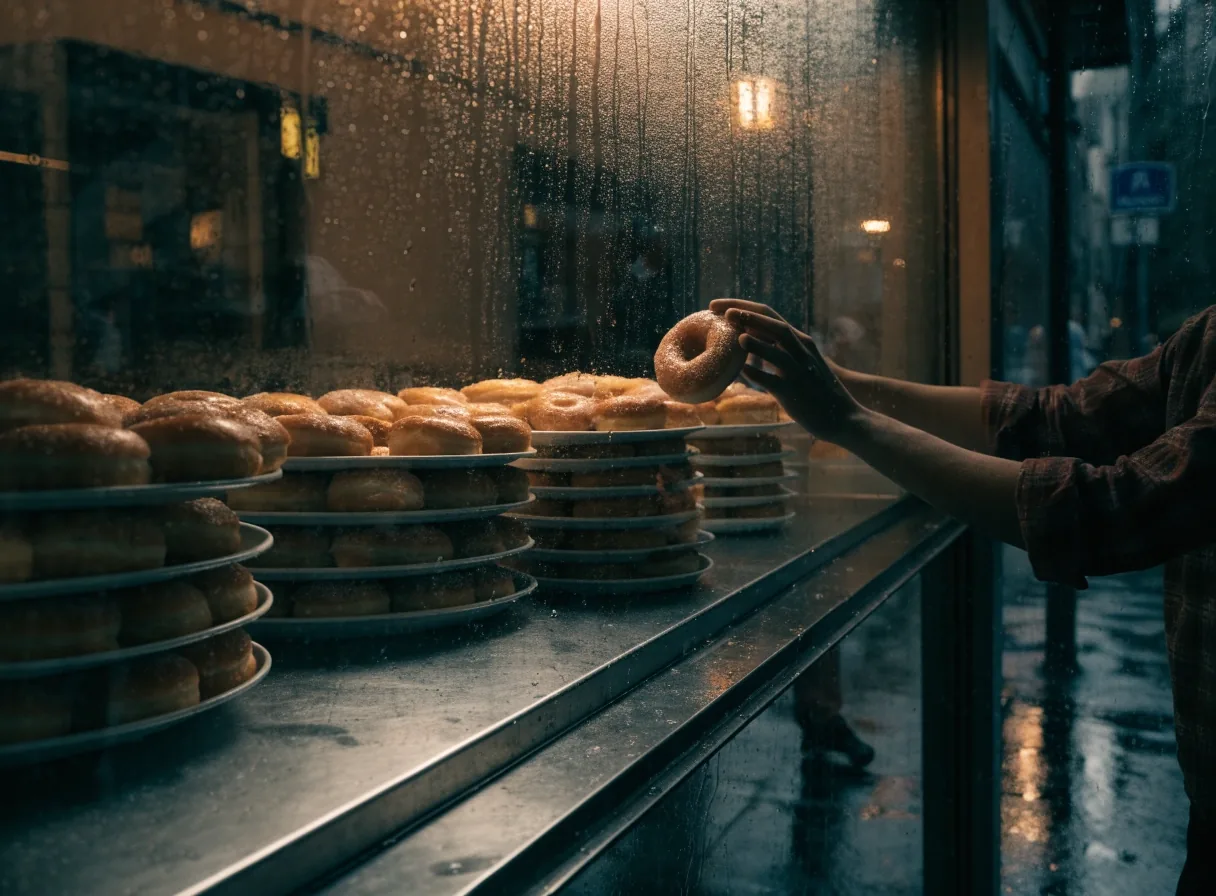
The core item carried the birthday price
A plain glazed donut is the product the chain is known for, which makes it the safest vehicle for an age-themed discount.

Loyalty periods point past the counter
A bonus-points week asks for a sign-up rather than a single purchase, so the value carries a name with it.
Consumer beat
Fitting with the chain's expansion
The promotion ran alongside a period when the brand was signing agreements in new markets, including a three-unit deal in Cincinnati tied to Koelache Co. LLC. Marketing spend in existing markets and expansion into new ones serve different purposes, and covering both gives a fuller picture of the year than either story alone.
A birthday campaign is a tool for the stores that already exist. It brings people back to counters the company has already paid for, which is the cheapest growth available to a chain of any size. A franchise agreement is the opposite kind of move: it commits capital and operators to places where the brand has no history yet, and it pays off over years rather than weeks. Reading the two together is more useful than reading either one alone, because they show a company working both ends of its own growth at once.
Read the Ohio franchise dealTwo moves, two clocks
The anniversary run
Ten weeks, aimed at existing stores. Measured in visits and sign-ups while the offers are live.
The Cincinnati agreement
Three units in a market where the brand is new. Measured in build-outs and openings over a much longer horizon.
Consumer beat
Company claims vs. reported facts
Community Impact reported the campaign elements. If the company later describes results, that will be a company statement and we will label it as one. The distinction is the same one we apply across the Consumer page, and it is why this report sticks to the terms that were reported.
In practice this means three things. First, a term like a ten-week run or a ninety-cent price is reported here without a health warning, because it describes what happened, not what it achieved. Second, any figure about sales, footfall, or loyalty growth is a company figure unless a third party verifies it, and it will be attributed accordingly. Third, the moment a report starts describing a campaign's results in the campaign's own language, it has stopped being a report.
That is the standard we hold on this beat, and it is written down rather than assumed.
Editorial Standards: how we label sourcesWhat this page does and does not say
-
Reports the ten-week length, the rotating offers, the limited-time donuts, the ninety-cent period and the loyalty-point period as described by Community Impact.
-
Attributes the Cincinnati three-unit agreement to the reporting that described it, and names the operator group involved.
-
Does not estimate sales, traffic or loyalty sign-ups. Those would be company figures, and we will label them as such if they are published.
What readers still ask about the run
When did the ninety-cent glazed donut period run?
Community Impact described the ninety-cent glazed donut as one period within the ten-week run rather than the whole celebration. Because the offers rotated, the exact dates of each period were set by the company and could differ between locations. If you want to confirm which week a specific store is running, the store itself is the only reliable source.
Did the anniversary promotion increase sales?
We do not know, and we have not guessed. The reported material describes what the campaign included, not what it produced. If the company publishes sales, traffic or loyalty figures, that will be a company statement and we will say so plainly when we cover it.
Are birthday-themed donuts still on the menu?
The birthday-themed donuts were described as a limited-time item, which means they belonged to the campaign window rather than the permanent menu. A limited-time product is part of why an anniversary run feels like an event: once it ends, the item leaves with it.
Why report a promotion at all?
Because it is the clearest public signal of how a chain of this size wants to be seen by its customers in a given year. Terms that were actually stated can be checked, compared against the following year, and weighed against the franchise deals happening at the same time. That is the point of covering consumer business as news rather than as advertising.
Where to go next
This report covers one ten-week run. The Consumer section carries the wider chain and brand picture, and the weekly brief sends the next instalment by email.
The chain and brand beat
Franchise agreements, menu changes and consumer-business reporting collected in one place.
Read the Consumer sectionThe week's filing
One email a week with the reports worth reading, in the order they were published.
Subscribe to the weekly briefRecent consumer reporting
Reporting on this page draws on the campaign elements described by Community Impact. Vinny Keates — Global Brief is an independent editorial blog at 315 E 29th St, Brooklyn, NY 11226, USA. The desk answers Monday to Friday, 9:00 AM – 6:00 PM at +17184697363 or NicholasWillis@vinnykeates.com.