
India and Pakistan exchange diplomatic protests after border incident
India and Pakistan each summoned the other's top diplomats after a border incident on Oct. 2. Pakistan alleged Indian forces killed two unarmed civilians. India rejected that allegation and said the people involved had crossed illegally into Indian territory. Reuters reported the exchange on Oct. 3, 2026.
What each side says happened
Pakistan's account is that Indian forces killed two unarmed civilians. India's account is that the individuals involved crossed illegally into Indian territory. Those are two claims about the same event, and the public record contains no independent adjudication of either. We present them as the competing official accounts they are.
Neither version has been tested in front of a third party. No monitor, court or joint commission has published findings on the shooting, and no autopsy or identification record is in the public domain. What exists is a pair of statements issued within roughly a day of each other, each written to be quoted in full.
That shape is familiar on this line. When two governments give incompatible accounts of the same few minutes, readers are left to weigh the institutions behind each claim: who spoke, how quickly, and whether the wording leaves room to revise later. We note where the accounts conflict and stop there.
Summoning a top diplomat is a formal step, not a gesture of convenience. It puts an official protest on the record and typically triggers a written note that each government can later cite. Doing it on both sides in the same episode means both capitals wanted the incident documented in the same way, which is itself part of the story.
In practice the sequence is short. A foreign ministry calls in the other country's senior envoy, hands over a protest, and the meeting is announced. The note that follows has value later: it gives a government a dated paper trail it can point to if the incident comes up again in talks, in a court filing or in a statement months from now.
Two protests in the same week is the detail worth noticing. It means neither side treated the incident as a local command-level matter to be handled quietly. Both chose the channel designed to leave a mark.
A senior envoy is called in
The meeting is the message before any wording is released.
A protest goes on the record
The objection exists as a dated entry, not a hallway remark.
A written note follows
Each government keeps a copy it can cite later.
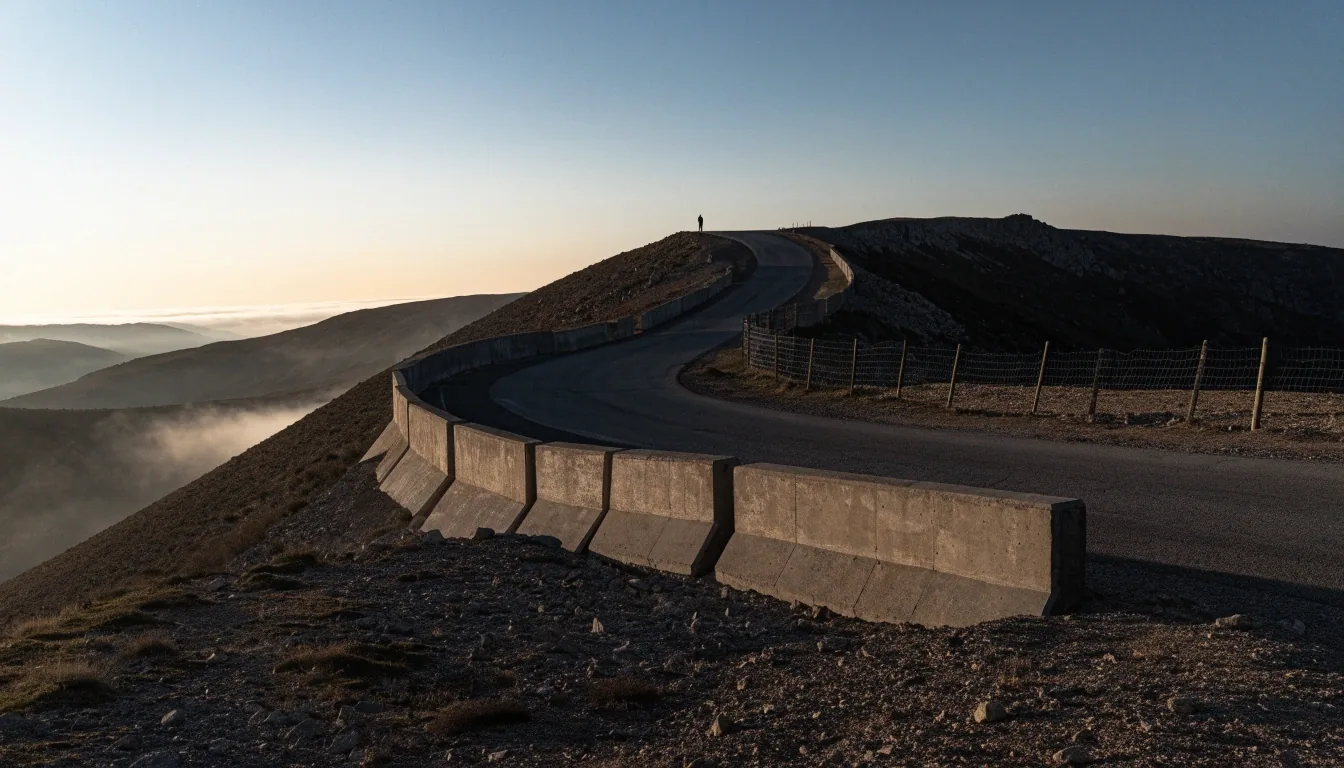
The border itself
The line between the two countries is disputed in places and heavily garrisoned along its length. Incidents are not unusual; what varies is how each government characterizes the people involved and the forces that confronted them. Our report describes those characterizations without choosing between them.
Because the boundary is not agreed along its whole run, the same stretch of ground can be described two ways without either side inventing a fact. That is why the dispute so often turns on who the people were and what they were doing, rather than on where the shooting happened.
What would change the picture
Independent verification of who the individuals were and where they were when the shooting occurred. Absent that, the useful reporting is about the responses: whether either government escalates beyond protests, whether a diplomatic channel is used, and whether the episode is mentioned in later statements. The World section will carry those developments if they happen.
Three things are checkable from outside. Whether either foreign ministry publishes the text of its protest note. Whether the two governments meet at any level in the weeks that follow. And whether the incident reappears in official statements, which would show it has been filed as a grievance rather than closed as a patrol report.
Watch for
Why the timing amplifies it
The exchange added to already strained bilateral ties, as Reuters noted. When relations are already tense, a single border incident gets absorbed into a larger argument about intentions, and each side's public position hardens faster. That is why a small episode can produce a disproportionate diplomatic response.
Once an incident is folded into that larger argument, the cost of softening a position rises. A government that walks its language back looks like it conceded something, even if the facts on the ground have not changed. So the first statement tends to set the ceiling for everything that follows.
Regional context
South Asia is a nuclear-armed neighborhood, and both governments calibrate their public language with that in mind. Formal protests are a controlled instrument, and their use generally signals a desire to register a grievance without crossing a threshold. We report the instrument and skip the speculation about what comes next.
That is why the language of the two statements matters more than their length. A protest that names an act but not a policy leaves room to step back. A protest that names a policy closes more doors, and both ministries know it when they draft.
For readers following this beat, the useful habit is to compare each new statement against the previous one rather than against the other country's version. Drift in a single government's own wording is usually the clearer signal.
Reading this story
Short answers on how we sourced this report and what remains unresolved.
Did either country's account get confirmed?
No. Pakistan's claim that two unarmed civilians were killed and India's claim that the individuals had crossed illegally are both official positions. No third party has published findings on the incident, and we do not treat either version as settled.
Why report a protest at all?
Because it is the part of the episode that is documented. A summoned envoy and a written note leave a trace that can be checked later, while the shooting itself currently rests on two incompatible accounts.
Where did the reporting come from?
This summary draws on the Reuters report of Oct. 3, 2026, describing the diplomatic exchange. Where we could not verify a detail ourselves, we say so rather than filling the gap.
What happens next on this beat?
We follow the responses rather than the rhetoric: whether either side escalates past protests, whether any diplomatic channel is used, and whether the incident appears in later statements. Those are the markers that would move the story.
World affairs and the brand beat, same desk
This brief covers foreign ministries and doughnut counters without changing voice. Our consumer desk follows franchise and brand news, including the Shipley Do-Nuts beat, the same way the world desk follows a protest note: what was announced, who is named, and what can be checked later.
Readers who come for one side of the brief usually find the other useful. A franchise agreement and a diplomatic note are both documents with dates, parties and terms — reporting them well is the same job.
Have information about this incident?
If you saw what happened on the border, or you are holding a document that clarifies who was involved, we want to hear it. Tips about the region, either country's statements, or the reporting itself all reach the same desk.
Send it through the contact page and tell us what you can verify and how. We read every message and follow up when a claim can be checked.
The desk
Reach us
- 315 E 29th St, Brooklyn, NY 11226, USA
- +1 718 469 7363
- NicholasWillis@vinnykeates.com
- Monday to Friday, 9:00 AM – 6:00 PM